21 days 20 nights
Daily Tour
7 people
English, Korean
Three weeks, one driver-guide, and the whole of mainland Korea — from the fence at the Demilitarized Zone to the salt flats of the south-west coast. Most visitors see Seoul, Busan and Jeju and go home. This route is for travellers who have time and would rather spend it properly: twenty nights in seventeen different towns, arriving in the late afternoon and unpacking where the day ended, rather than driving back to a base each evening. The first week runs north and inland — the DMZ and Imjingak, Nami Island, the Garden of Morning Calm, then the lake country of Jecheon and Danyang with its cable car, its lake cruise and a limestone cave 1,700 metres deep. The second week is the old kingdoms and the coast: three UNESCO sites in Gyeongju, the sunrise cape at Homigot, the whaling town of Ulsan, the hillside villages and markets of Busan, and Admiral Yi Sun-sin’s sea at Tongyeong. The third turns west along the south coast — Yeosu, the Suncheon Bay wetlands, the tea terraces of Boseong, the bamboo of Damyang — then north through Gwangju, Mokpo and Jeonju to the Baekje capitals of Buyeo and Gongju, and back into Seoul. Six UNESCO World Heritage sites are on the route: Bulguksa, Seokguram and Daereungwon in Gyeongju, Busosanseong and Jeongnimsa in Buyeo, and Gongsanseong in Gongju. This is a private tour. Apart from the DMZ bus, which is compulsory for everyone, there is no group: just you, the people you came with, and your English-speaking driver-guide for all twenty-one days. This route is arranged by enquiry rather than booked online. Three weeks needs to be fitted around your arrival, your pace and the season, and the price depends on how many of you are travelling. Send us the dates and we will come back with a full itinerary and quotation.
Price guide. The figure shown is per person for a group of six or seven sharing twin rooms. A group of four is about $6,400 each, and two travelling together about $9,350 each, because the driver-guide, the vehicle and the twenty nights are shared between fewer people. Four and five star hotels are available at a supplement. Send us your dates and group size for an exact quotation.
Meet the tour guide in Seoul
– Move to Paju by a private car (55m)
– Imjingak Pyeonghwa Nuri park, where the railway to the north was cut in 1953. The Freedom Bridge and the rusted steam locomotive still stand there.
– Join the authorised DMZ bus tour from Imjingak and enter the Demilitarized Zone. This is the one shared part of the whole journey, as the DMZ cannot be entered any other way.
– Heyri Art village, built by artists, writers and musicians a few kilometres from that same border.
– Check in hotel in Paju

Check out and meet the tour guide
– Majang lake suspension bridge, 220 meters across the water with a view over the wooded hills of northern Gyeonggi.
– Move to Gapyeong by a private car (1h 20m)
– Nami Island, a half-moon shaped island also known as Naminara. The tree-lined avenues are why most visitors come, and the island quietens once the day-trippers leave.
– Check in hotel in Gapyeong
Check out and meet the tour guide
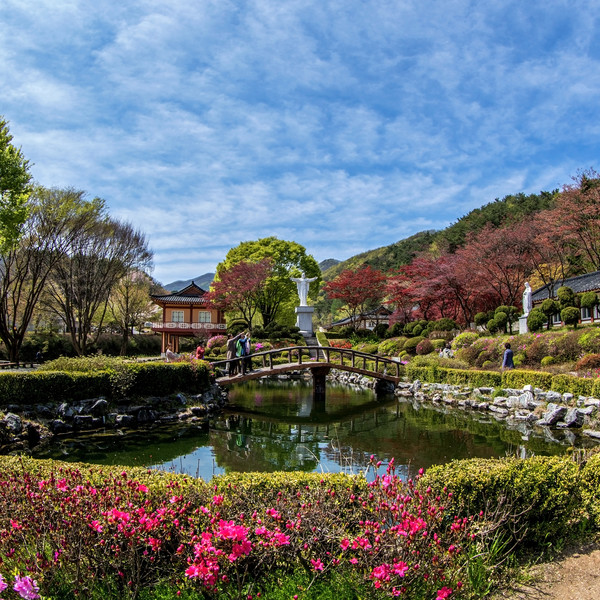
– The Garden of Morning Calm, laid out across themed grounds that change completely with the season.
– Petite France, a small French-styled village in the hills of Gapyeong.
– Move to Yangpyeong by a private car (1h 5m)
– Yongmun Millennium Market, a country market where you meet the people who run the stalls.
– Check in hotel in Yangpyeong

Check out and meet the tour guide
– Ride a Yangpyeong rail bike along a disused railway line beside the river.
– Move to Jecheon by a private car (1h 20m)
– Uirimji reservoir, 1.8 kilometers around and one of the oldest irrigation reservoirs in Korea.
– Take a 2.3km cable car up to the Bibongsan Mountain Observatory for a 360-degree view over Chungjuho Lake.
– Check in hotel in Jecheon

Check out and meet the tour guide
– Cruise on Chungjuho Lake past Oksunbong peak and Gudambong peak. The boat covers about 25 kilometers in 1 hour 30 minutes.
– Move to Danyang by a private car (45m)
– Mancheonha Skywalk, three decks reaching out at the end of a 30m-high spiral walkway, with glass-bottomed sections over the river.
– After dinner, Suyanggae light tunnel, a garden of LED light best seen after dark.
– Check in hotel in Danyang

Check out and meet the tour guide
– Gosu cave, a limestone cave roughly 1,700 meters long with stalactites, stalagmites and underground lakes.
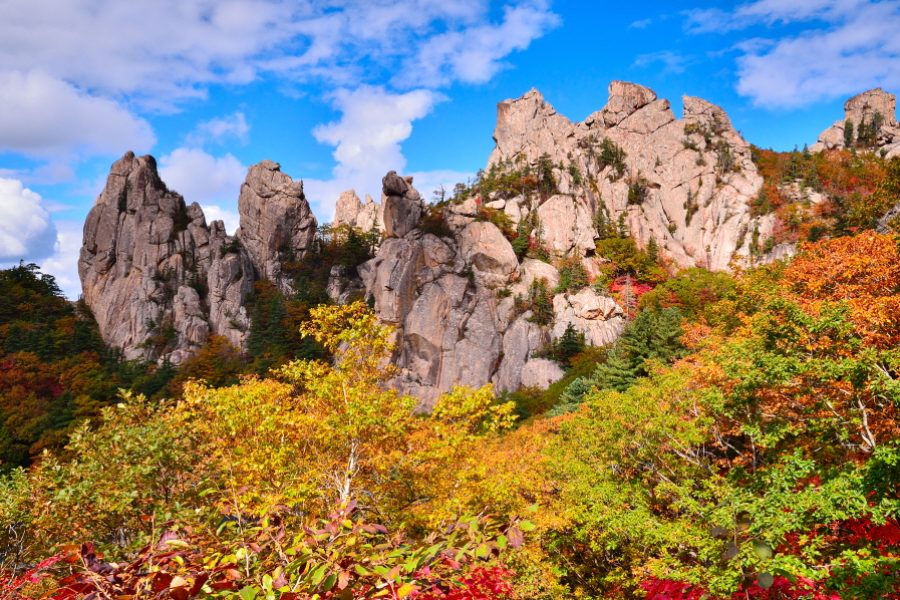
– Dodamsambong Peaks & Seongmun. Three stone peaks rise out of the Namhangang River, and nearby a huge rock arch frames the view.
– Move to Gyeongju by a private car (2h 40m)
– Check in hotel in Gyeongju

Meet the tour guide at the hotel lobby
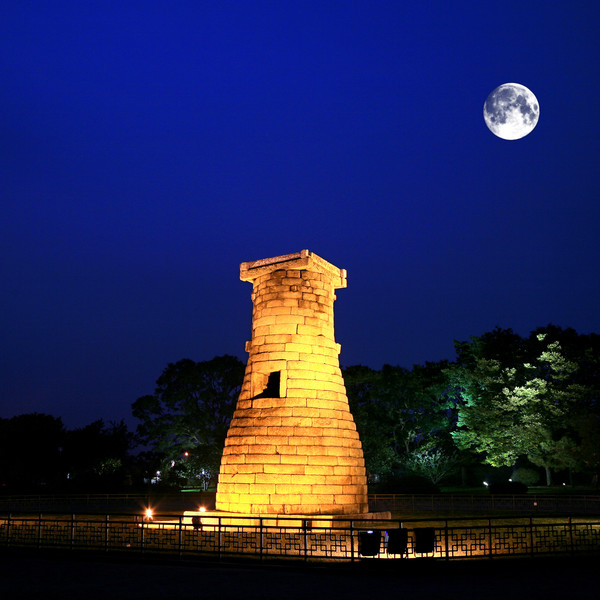
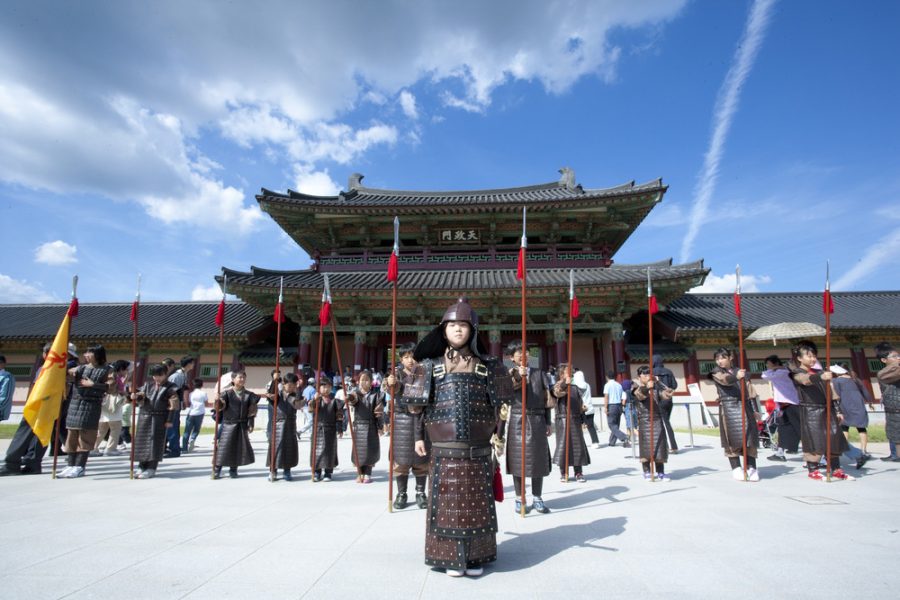
– Cheomseongdae Observatory, the oldest existing astronomical observatory in Asia.
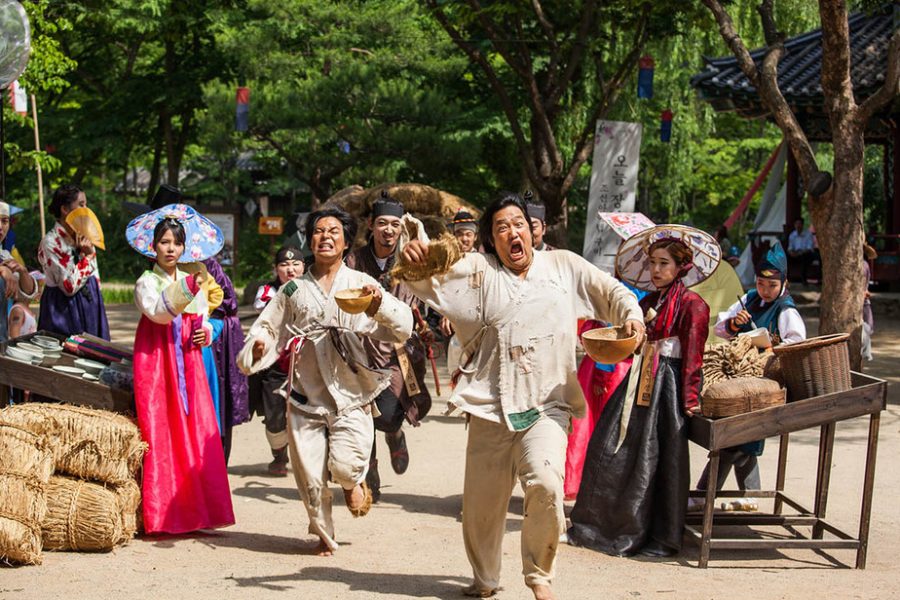
– Gyeongju Gyochon Traditional Village, where you can try wearing hanbok.
– Donggung Palace and Wolji Pond, the best spot for a night view in Gyeongju, the buildings reflected on still water after dark.
– Gyeongju Jungang Night market, which has almost a hundred years of history.
– Second night in Gyeongju
Check out and meet the tour guide
Today we visit UNESCO World Heritage sites
– [UNESCO] Daereungwon Tomb Complex, where Cheonmachong Tomb can be entered and walked through.
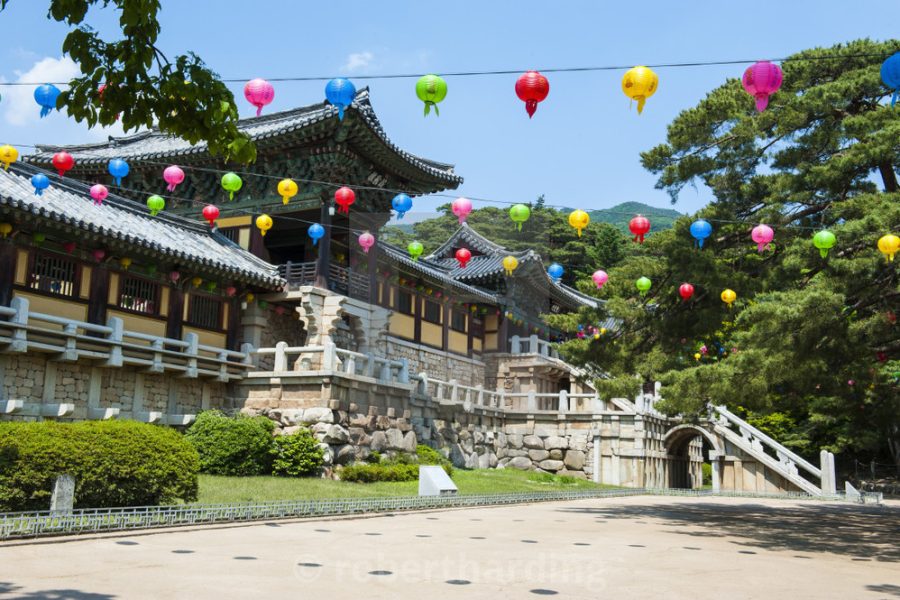
– [UNESCO] Bulguksa Temple, a representative relic of Buddhist culture from the Silla Kingdom.
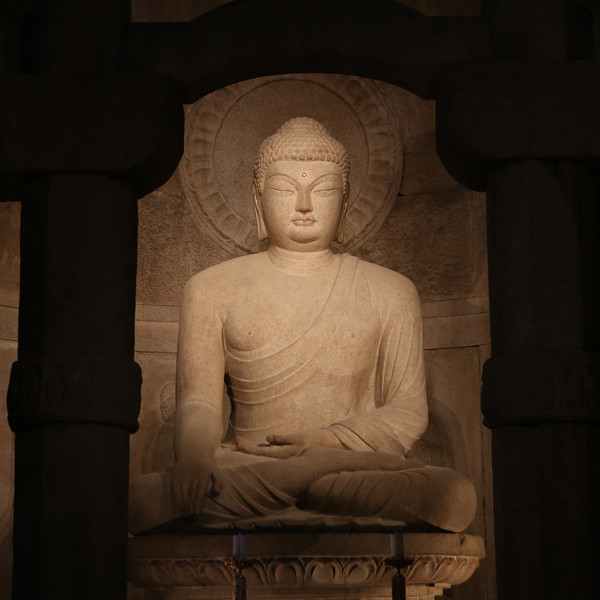
– [UNESCO] Seokguram Grotto, an artificial stone cave built to enshrine the Buddha, looking out toward the East Sea.
– Move to Pohang by a private car
– Check in hotel in Pohang
Meet the tour guide at the hotel lobby
– Oeosa Temple. You cross a 90m long swing bridge to reach it.
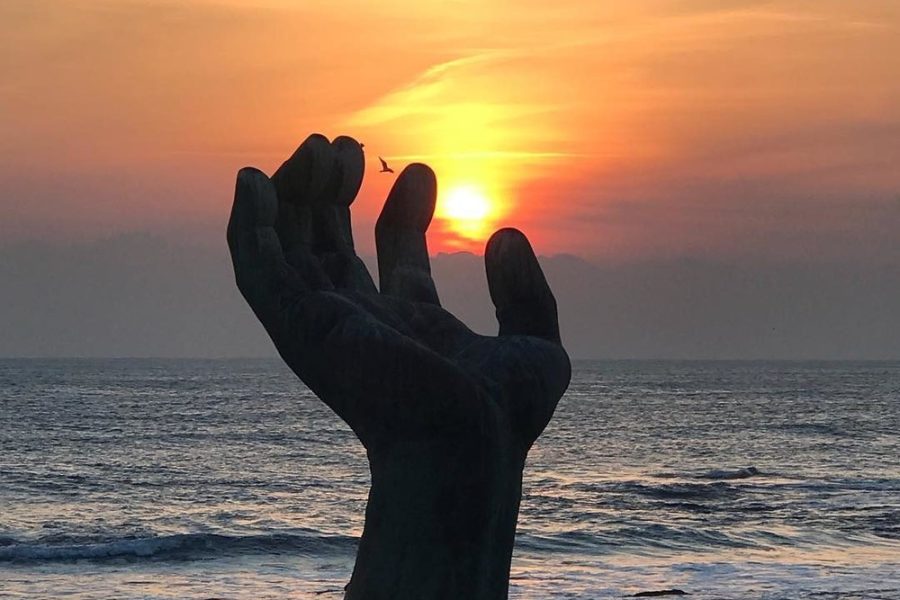
– Homigot, the cape where people come to see the earliest sunrise in mainland Korea on January 1st.
– Daebo port on foot, with its trick art along the waterfront.
– Ride the Pohang Canal cruise, about 40 minutes through the city waterway.
– Second night in Pohang

Check out and meet the tour guide
– Jangsaengpo Whale Culture Village and museum in Ulsan, where you can see whale bones and models and learn how the whaling town lived.
– Daewangam park. Walk the seaside path and cross the iron bridge to the small island offshore.
– Taehwa River Seepri Bamboo Grove, a quiet walk along the river.
– Move to Busan by a private car
– Check in hotel in Busan

Meet the tour guide at the hotel lobby
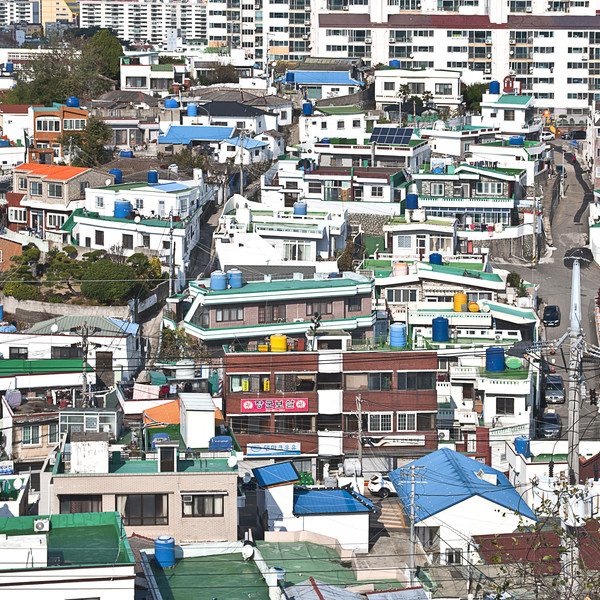
– Gamcheon Culture Village, houses built in staircase-fashion on the foothills of a coastal mountain, nicknamed the Machu Picchu of Busan.
– Ami-dong Tombstone Culture Village, across the road, where houses were built using gravestones and the alleys still show it.
– Provisional Capital Memorial Hall, from the years Busan served as the wartime capital.
– BIFF Square and one hour free in Gukje Market, which began in 1950 as a place for war refugees to make a living.
– Second night in Busan

Check out and meet the tour guide
– Oryukdo Island skywalk, walking out over the sea at the point where the South Sea meets the East Sea.
– Jagalchi Market, Korea’s largest seafood market, at its busiest in the morning.
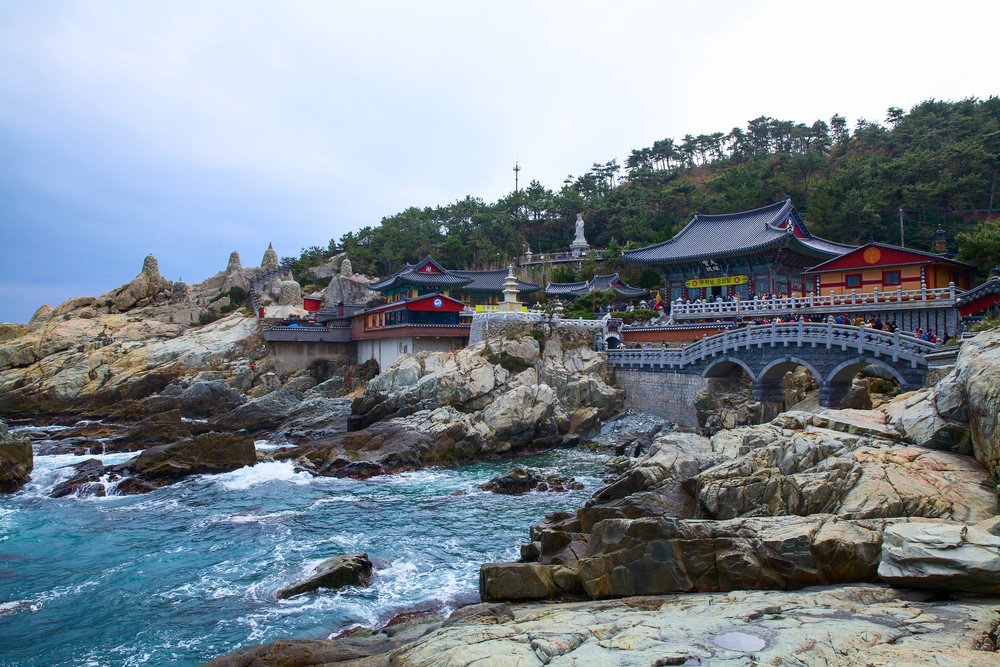
– Haedong Yonggungsa, a temple built on the rocks right at the waterline.
– Move to Tongyeong by a private car (1h 25m)
– Check in hotel in Tongyeong
Meet the tour guide at the hotel lobby
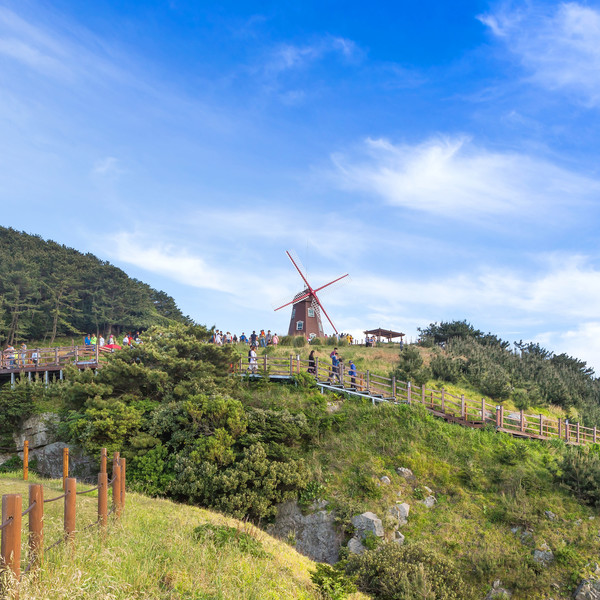
– Yi Sun-sin Park. A 17.3m bronze statue of the Admiral faces the sea of Hansan Bay, where he won his most famous battle.
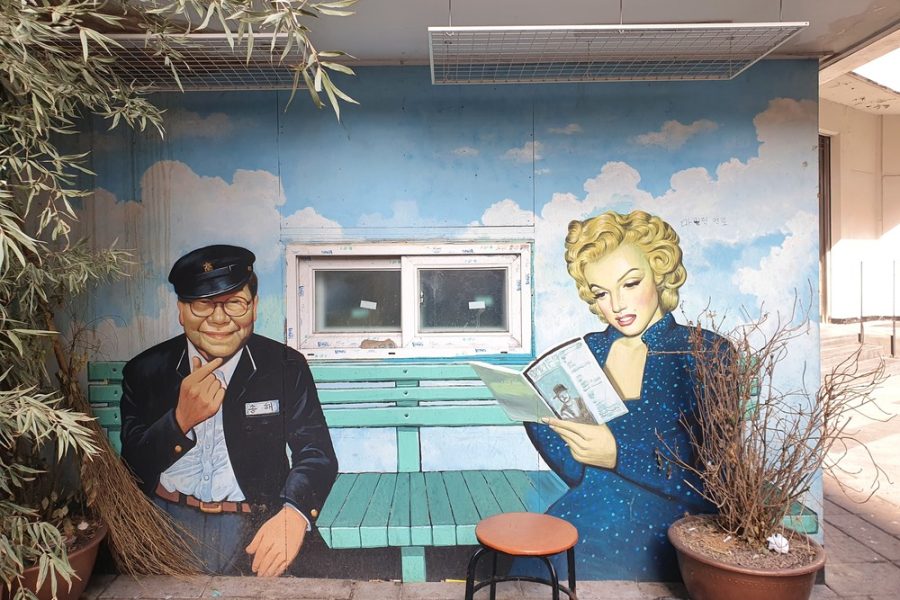
– Seopirang and Dongpirang mural villages, painted by amateur artists, which is what gives the alleys their character.
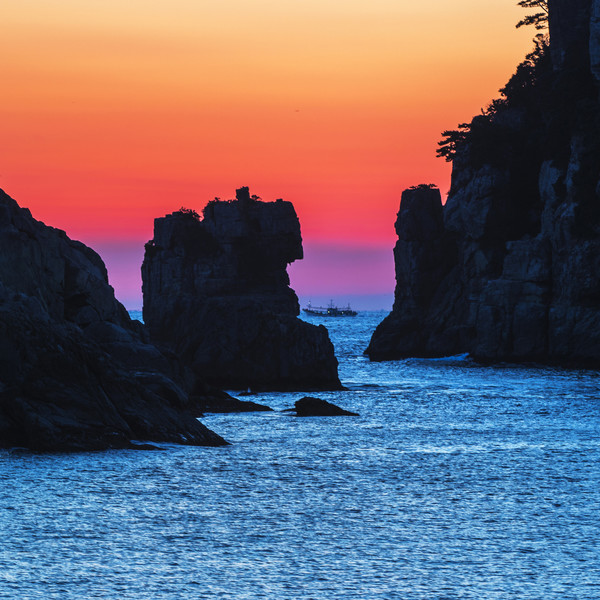
– Visit Oedo by cruise, 4km off Geojedo. Oedo-Botania is a marine botanical garden laid out over a small island.
– Second night in Tongyeong
Check out and meet the tour guide
– Move to Yeosu by a private car (2hr)
– Hamel museum. Hendrick Hamel (1630-1692) was the first Westerner to give Europe a first-hand account of Korea, after being shipwrecked here.
– Expo museum of Yeosu 2012
– Walk around Odongdo Island, one of the best places in Korea to see camellias in flower.
– Check in hotel in Yeosu
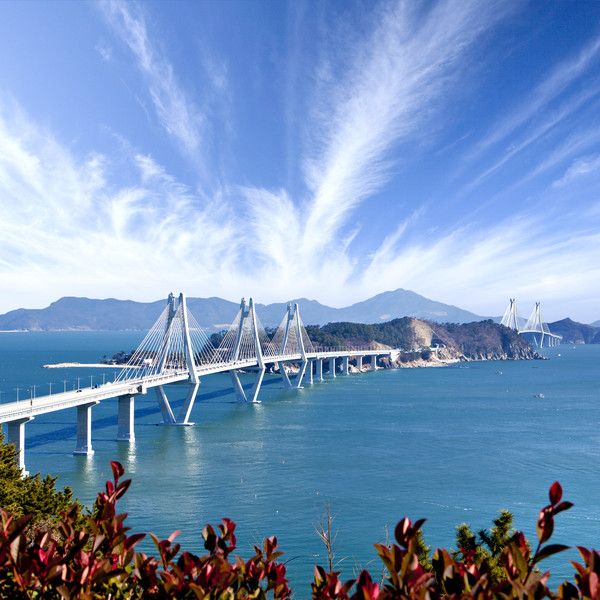
Check out and meet the tour guide
– Move to Suncheon by a private car (45m)
– Suncheon Bay Ecological park, one of the world’s five largest coastal wetlands. The reed field and the tidal flat change colour through the day.
– Suncheon open Film set, the largest film set in Korea, three villages recreating Korean towns of the 1950s to the 1980s.
– Check in hotel in Suncheon
Check out and meet the tour guide
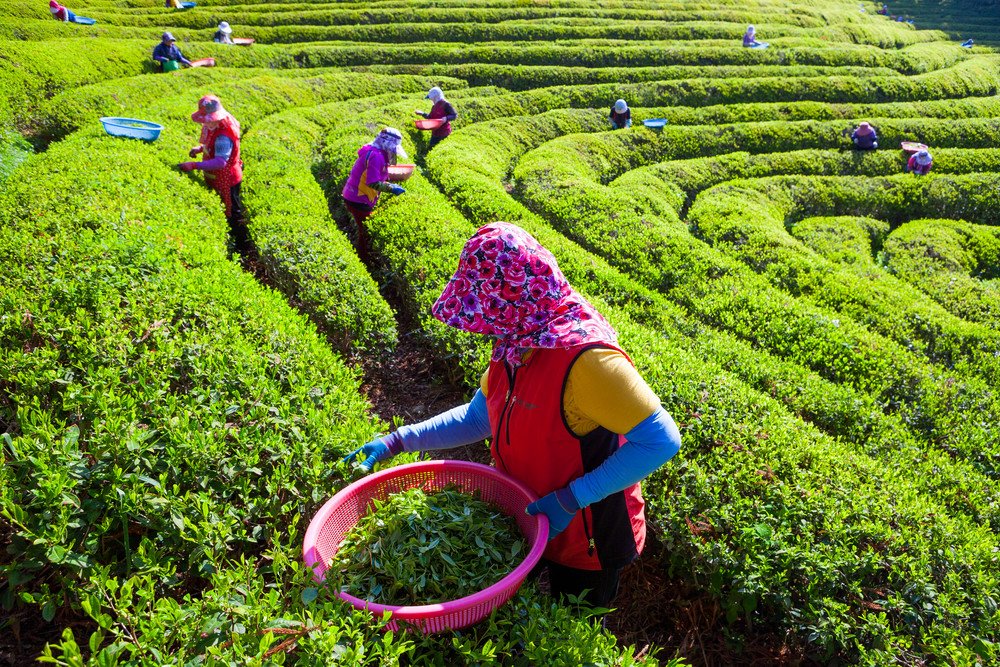
– Move to Boseong by a private car (55m)
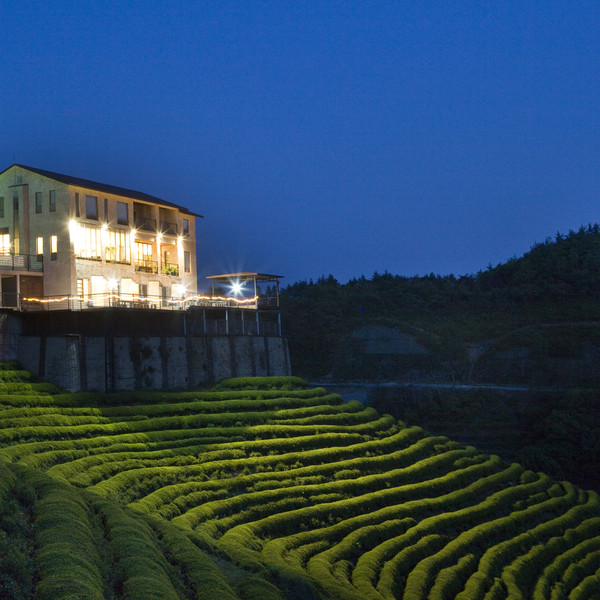
– Boseong Green tea fields. More than 5.8 million tea trees are laid over the hills in rows, and the walk up the terraces is the reason to come.
– Move to Damyang by a private car (1h 20m)
– Juknokwon, Korea’s most popular bamboo forest.
– Metasequoia-lined Road, 8.5km of tall trees arching over the walkway.
– Soswaewon Garden, a private garden from the Joseon period.
– Check in hotel in Damyang
Check out and meet the tour guide
– Move to Gwangju by a private car (40m)
– Museum of the 5·18 Democratic Archive. The 5·18 Democratization Movement was part of the long struggle for democracy in Korea, and the archive is UNESCO Memory of the World.
– 5·18 memorial park
– Namdo Folk food museum. Namdo means Jeollanam-do, the province Koreans name first when they talk about food.
– Local markets and free time in the fashion street
– Check in hotel in Gwangju
Check out and meet the tour guide
– Move to Mokpo by a private car (2hr). Today we follow the modern history.
– Air-raid Shelter of the Former Mokpo-bu Office, a registered national cultural heritage site dug during the Japanese occupation.
– Sihwa alley, where the film “1987” about the June Democracy Movement was filmed.
– Mokpojin history park, the site of a Joseon navy camp.
– Move to Jeungdo Island (1h 30m) and visit Taepyeong Salt farm, where you can try making sea salt.
– Check in hotel in Mokpo

Check out and meet the tour guide
– Move to Jeonju by a private car (2h 20m)
– Jaman mural village, a small hilly village with colourful murals painted on the walls of the old houses.
– Omokdae, where Tae-jo, the first king of the Joseon Dynasty, held a victory party after defeating Japanese invaders.
– Jeonju Hanok Village. 735 traditional hanok houses still stand together here while the rest of the city modernised.
– Gyeonggijeon Shrine, erected in 1410, which holds the portrait of King Tae-jo.
– Dinner with Jeonju bibimbap, the dish this city is known for across Korea.
– Check in hotel in Jeonju
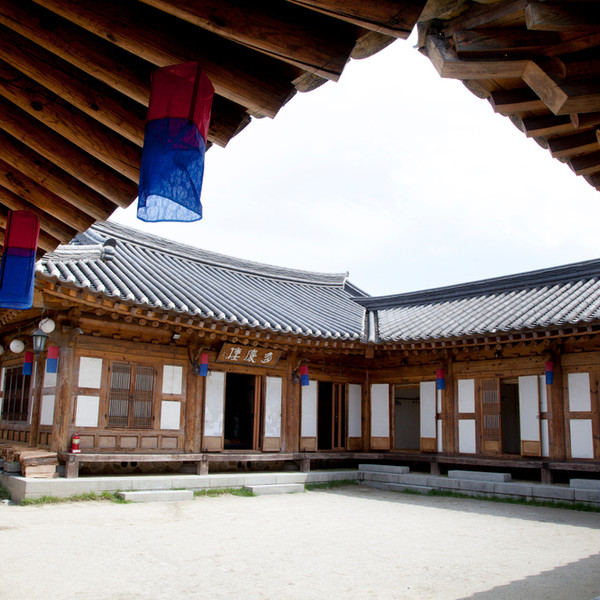
Check out and meet the tour guide
– Move to Buyeo by a private car (1h 20m). Buyeo was a capital of Baekje, one of Korea’s three ancient kingdoms.
– [UNESCO] Busosanseong Fortress, an earthen fortress on top of Busosan Mountain.
– Nakhwaam Rock. The name means the cliff of falling flowers, after the story of the court women of Baekje.
– Goransa Temple at the foot of the Nakhwaam cliffs, then a small ferry across the Baengma River.
– Gungnamji Pond, Korea’s first artificial pond.
– [UNESCO] Jeongnimsa Temple Site, a centre of Baekje Buddhism.
– Move to Gongju (40m) and check in hotel
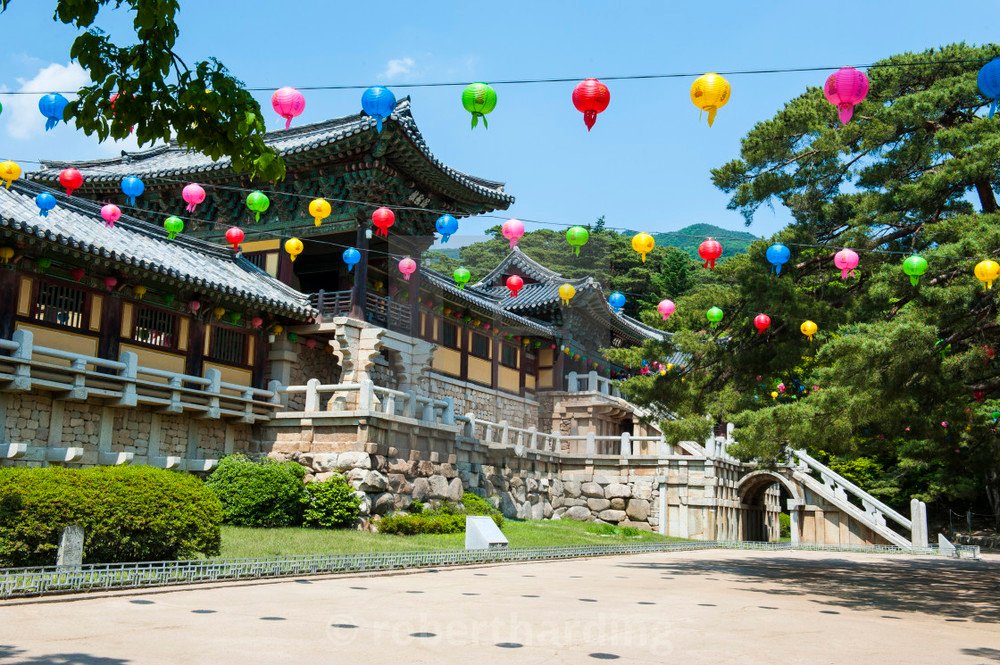
Check out and meet the tour guide
– [UNESCO] Gongsanseong Fortress, established in the Baekje period above the Geumgang River.
– [UNESCO] The Tomb of King Muryeong, 20 meters across and 7.7 meters high, the one Baekje royal tomb found intact.
– Gongju National Museum, which holds what was found inside it.
– Move to Seoul by a private car (2h 20m)
– Gyeongbokgung Palace, built in 1395 and the largest of the five palaces of the Joseon Dynasty, and Gwanghwamun gate.
– Insa-dong, in the heart of the city, where traditional craft shops and tea houses are kept together.
– Drop off at the destination.

Member Since 2022