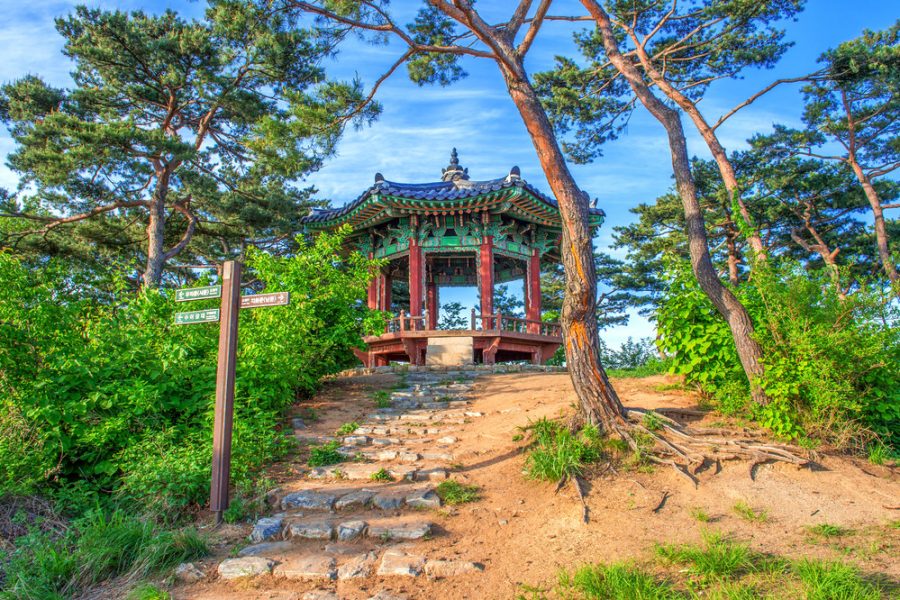
6 days 5 nights
Daily Tour
7 people
English, Korean
Six days down the southern half of Korea, at the pace of travellers who would rather look properly than tick boxes.
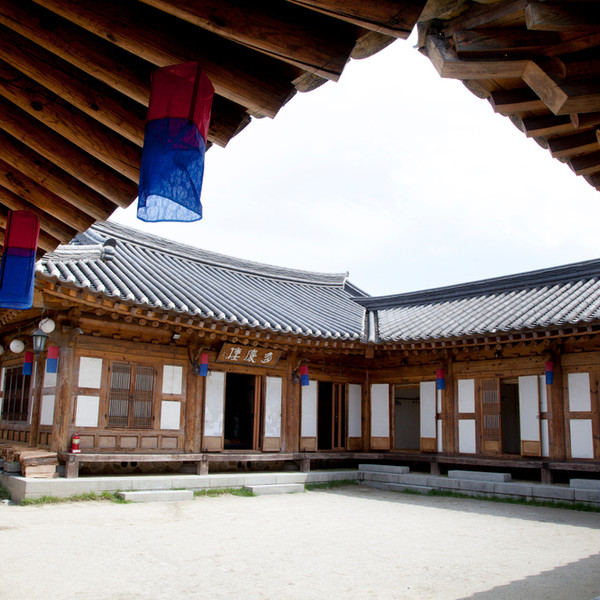
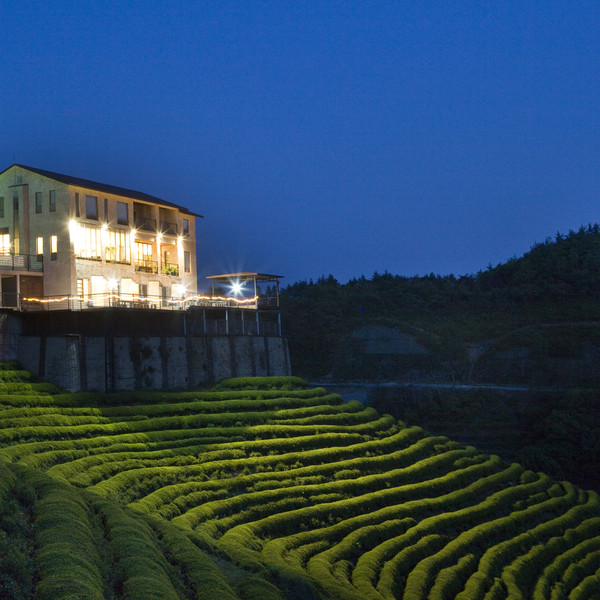
You begin in Jeonju, where 735 traditional hanok houses still stand together in one quarter of the city, and eat the bibimbap this town is known for across Korea. The next morning you walk into Korea’s most famous bamboo forest at Damyang, then up the tea terraces of Boseong, where more than 5.8 million tea trees are laid over the hills in rows.
From there the road follows the South Sea — the reed wetlands of Suncheon Bay, the camellias of Odongdo, the harbour town of Tongyeong — into Busan. The journey ends in Gyeongju among three UNESCO World Heritage sites, in the city that was the capital of the Silla kingdom for a thousand years.
This is a private tour. There is no group: just you, the people you came with, and your English-speaking driver-guide for all six days. You sleep in five different towns, so each evening you unpack where the day ended instead of driving back to a base.
The longest drive is three hours and twenty minutes, on the second day. Most days are under two hours on the road.

Meet the tour guide in Seoul
– Move to Jeonju by a private car (2h 45m)
– Arrive at Jaman mural village. It’s a small hilly village. But you will be able to enjoy colorful murals painted on the walls of the old houses.
– Omokdae. Tae-jo, the first king of the Joseon Dynasty (1392-1910), held a winning evening party at Omokdae after defeating Japanese invaders.
– Jeonju Hanok Village. In the village, there are 735 Korean traditional houses called Hanok. While the rest of the city has been modernised, this village retains its historical charms.
– Gyeonggijeon. Gyeonggijeon Shrine was erected in 1410 and holds the portrait of King Tae-jo. You can feel the atmosphere of the Joseon Dynasty.
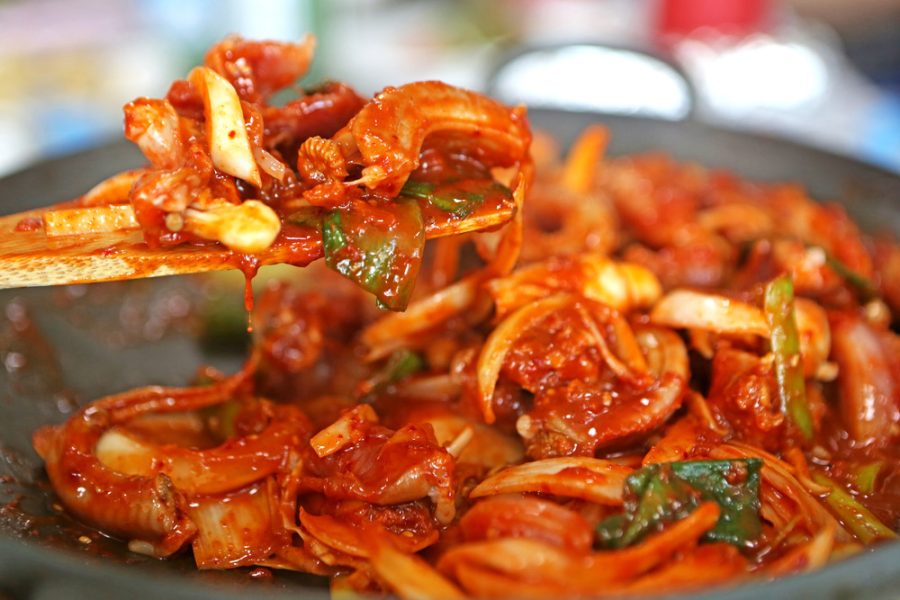
– Dinner with Jeonju bibimbap, the dish this city is famous for across Korea.
– Check in hotel and rest
Check out and meet the tour guide
– Move to Damyang by a private car (1h 5m)
– Juknokwon. Juknokwon is Korea’s most popular bamboo forest. The charm of Juknokwon can be felt from the moment you walk into the cool green shade.
– Metasequoia-lined Road. The entire 8.5km of Metasequoia Road is lined with tall metasequoia trees reaching like a green tunnel over the walkway.
– Soswaewon Garden. Soswaewon Garden is a private garden from the Joseon period where the beauty of traditional Korean landscaping is preserved.
– Move to Boseong by a private car (1h 20m)
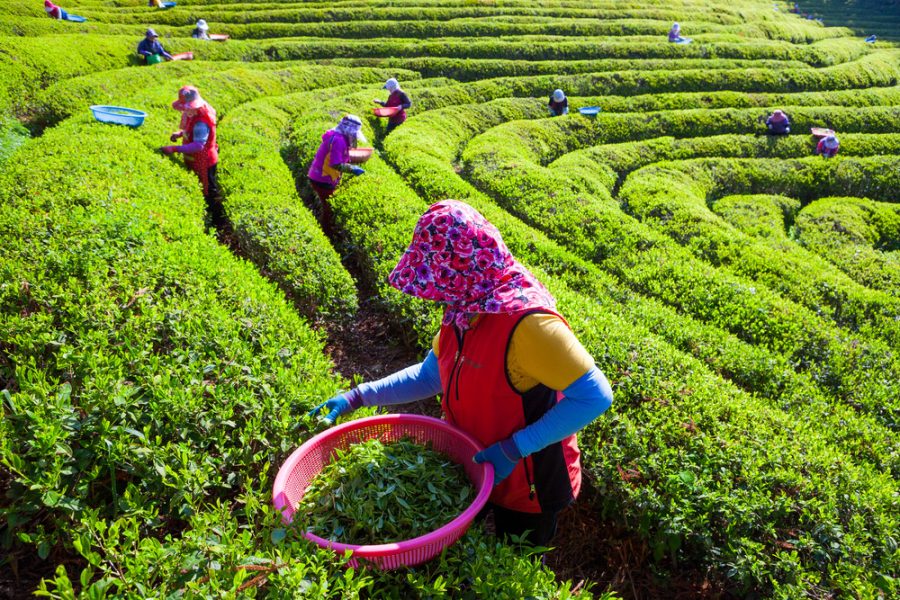
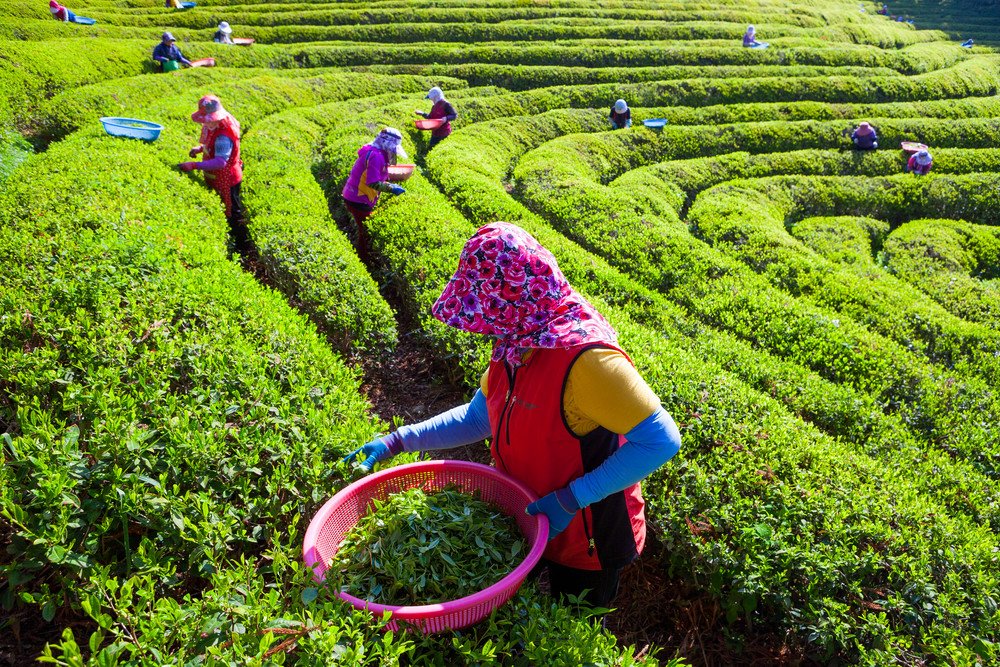
– Arrive at Boseong Green tea fields. There are over 5.8 million tea trees and 3 million other trees around. Walk up the tea terraces for the view over the rows.
– Move to Suncheon by a private car (55m)
– Check in hotel and rest
Check out and meet the tour guide
– Exploring Suncheon Bay Ecological park, one of the world’s five largest coastal wetlands. The reed field and the tidal flat change colour through the day.
– Suncheon open Film set, the largest film set in Korea. It is made up of three villages that recreate Korean towns of the 1950s to the 1980s.
– Move to Yeosu by a private car (45m)
– Visit Hamel museum. Hendrick Hamel (1630 – 1692) was the first Westerner to provide a first hand account of Korea to Europe.
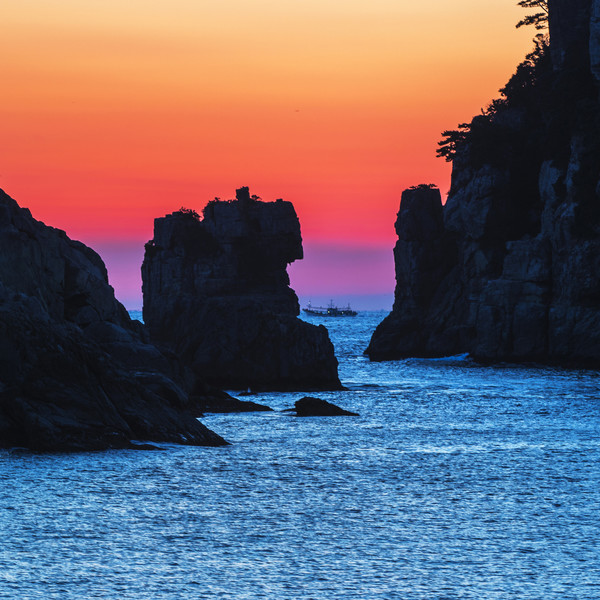
– Take a walk around the Odongdo Island. Here is one of the most spectacular spots to appreciate camellias.
– Move to Tongyeong by a private car (2hr)
– Check in hotel and rest

Check out and meet the tour guide
– Arrive at Yi Sun-sin Park. A 17.3m-high bronze statue of Great Admiral Yi Sun-sin stands facing the sea of Hansan Bay, where he won his most famous battle.
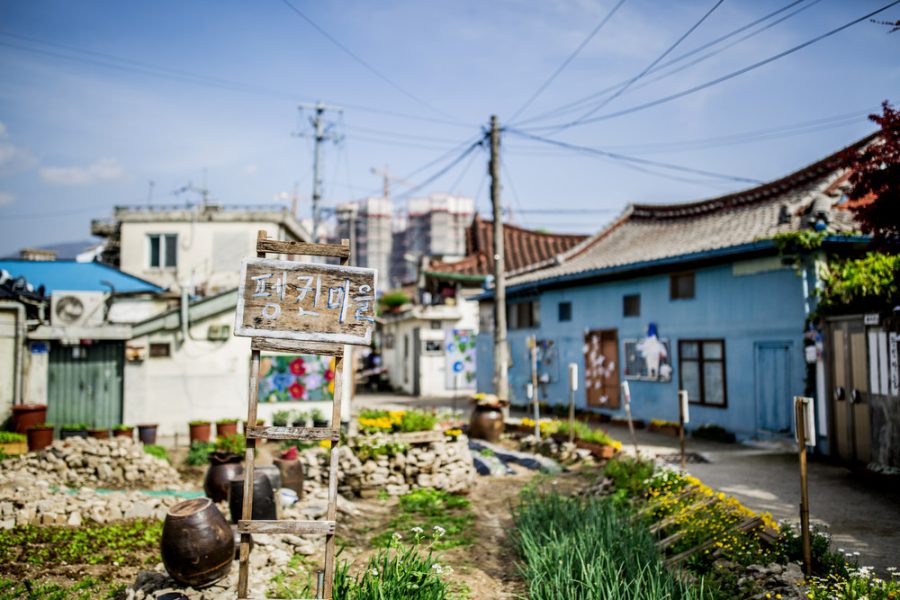
– Visit Seopirang mural village. The murals in Seopirang village were created by amateur artists, and that gives the alleys their warm, unpolished character.
– Move to Busan by a private car (1h 25m)
– Gamcheon Culture Village. This village is formed by houses built in staircase-fashion on the foothills of a coastal mountain, earning it the nickname “Machu Picchu of Busan”.
– Have a 1hr free time in Gukje Market. Gukje Market began during the Korean War in 1950 as a place for war refugees to make a living, and grew into a large, busy market.
– Check in hotel and rest

Check out and meet the tour guide
– Visit BIFF Square. The 428 meter-long street was divided into “Star Street” and “Festival Street”, home of the Busan International Film Festival.
– Go to Oryukdo Island skywalk. Enjoy walking over the sky with a nice view of Oryukdo and the waves of the sea.
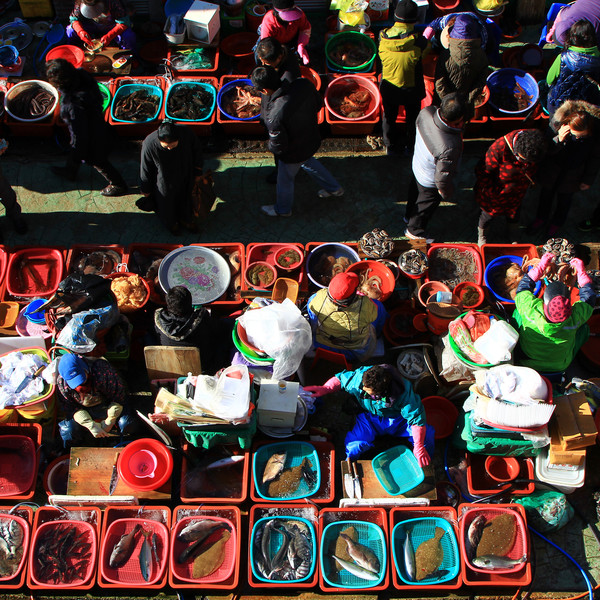
– Visit Jagalchi Market, Korea’s largest seafood market, and see the day’s catch brought in from the South Sea.
– Move to Gyeongju by a private car (1h 25m)
– Donggung Palace and Wolji Pond, the best spot for a night view in Gyeongju. The palace buildings reflect on the still water after dark.
– Check in hotel and rest
Check out and meet the tour guide
– Today we visit UNESCO World Cultural Heritage sites
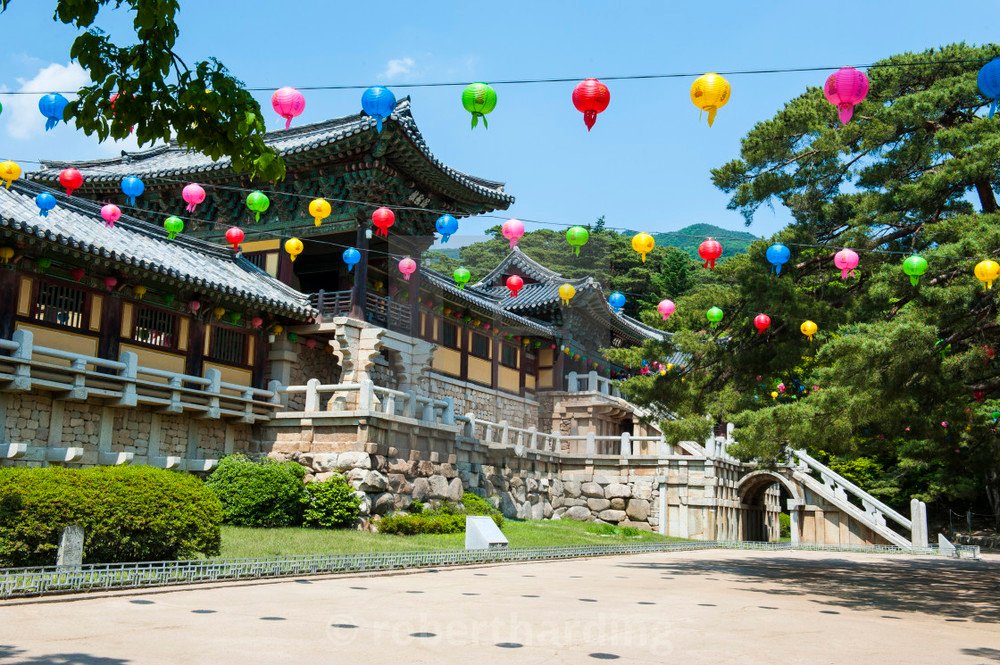
– [UNESCO World Heritage] Bulguksa Temple. It is a representative relic of Buddhist culture from the Silla Kingdom.
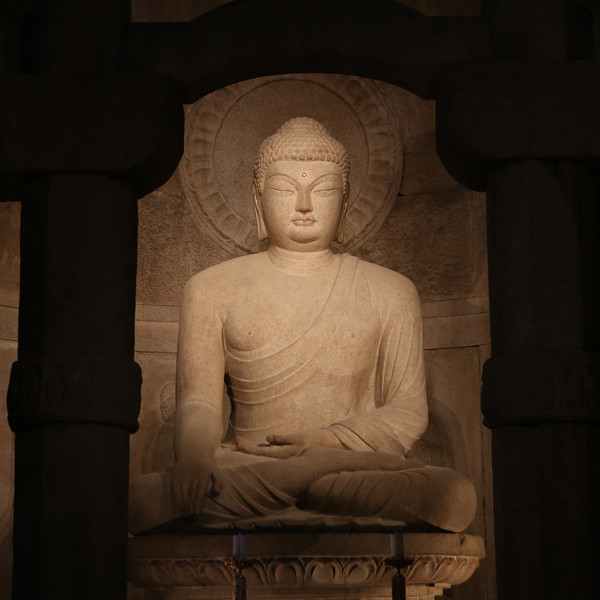
– [UNESCO World Heritage] Seokguram Grotto. It was an artificial stone cave built to enshrine the Buddha, looking out toward the East Sea.
– [UNESCO World Heritage] Daereungwon. Within Daereungwon Tomb Complex there is Cheonmachong Tomb, an ancient tomb you can walk inside.
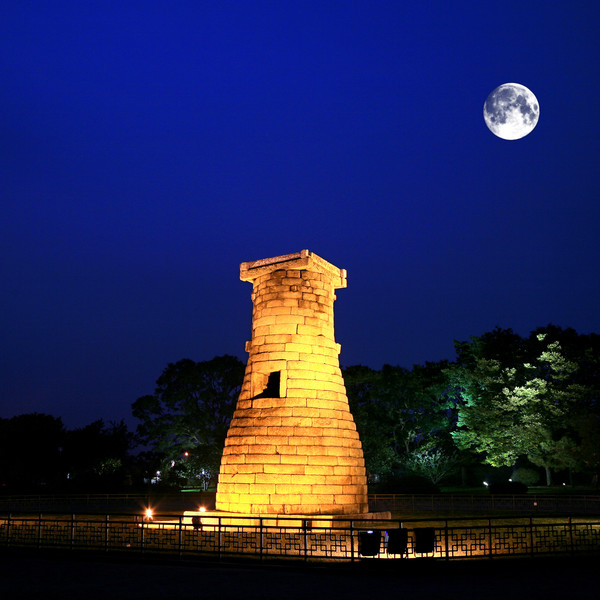
– Cheomseongdae Observatory, the oldest existing astronomical observatory in Asia.
– Move to Seoul by a private car (4h 25m), arriving in the early evening.
– Drop off at the destination.
| # | Discount group | From adult | To adult | Value |
|---|---|---|---|---|
| 1 | 4-5 people | 4 | 5 | $829.00 |
| 2 | 6-7 people | 6 | 7 | $1,105.00 |

Member Since 2022